Residential Air Duct Cleaning For Southeast Wisconsin Homeowners

Wisconsin's cold winters mean you spend a majority of your time indoors, breathing the air confined within your HVAC system. Intense Wisconsin weather forces homeowners to rely on heating and cooling systems for most of the year. Just replacing air filters won't guarantee clean air in your home.
You need your air ducts cleaned to remove the built-up dust that contaminates your home's air.
 Request a Quote
Why Should I Have My Air Ducts Cleaned?
Summers in Southeast Wisconsin bring humidity. Using the breeze to circulate air and cool your residence allows moisture to gather in the cooler places, like the air ducts and other behind-the-scenes areas. Why is this a problem? These are the ideal conditions for mold. Air duct cleaning restores air conditioners, improves exhaust systems & air handling units, prevents mold with interior duct insulation coatings, and boosts energy efficiency.
Cleaner air ducts improve the air quality in your home or place of business and have been known to reduce respiratory conditions and allergies. And they help maintain an efficiently running HVAC system.
5 Reasons to Schedule Regular Air Duct Cleaning in Wisconsin
- Your air ducts have never been cleaned. Air ducts trap dust and debris, which contaminate the air you breathe.
- New recent home renovations. Drilling, sawing and other construction work creates excessive dust, which gets trapped in your ducts.
- Basement flooding in your home. Flooding causes mildew and mold, which can easily spread to your air ducts.
- You have pets. Like dust and debris, animal hair and dander get trapped in your air ducts, which can cause serious allergy problems. A recent residential duct cleaning in Milwaukee significantly improved allergy problems for an entire family. These allergies were caused from previously owned animals.
- Dusty house despite constant cleaning. This is a sure sign your air ducts have buildup which is getting circulated throughout your home. Having your air ducts cleaned will noticeably reduce the amount of dust in your home.
Your first step is to have your air ducts inspected by a professional HVAC cleaning company like Air Quality Controllers near Milwaukee. We employ only NADCA certified technicians to ensure all work is done to the highest standards. Our air vent cleaners remove all airborne dust and debris from your entire air duct system for improved air quality in your home. You will breathe easier when we're done.
Air Duct Cleaning Benefits
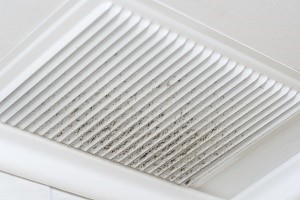 Allergies, asthma and other respiratory ailment sufferers benefit greatly from Air Quality Controllers’ air duct cleaning services. Removing dirt, animal hair, dander and pollen helps your entire household breathe easier. Reducing your household dust by up to 85% is just another benefit.
Our Milwaukee air duct cleaning services also save you money by reducing your heating and cooling costs. Maximized airflow means your HVAC system is working at optimum efficiency.
View recent photos of air duct cleaning in Waukesha and Milwaukee areas online now to see the difference our NADCA certified specialists have made.
How Often Should Air Ducts Be Cleaned?
Air duct cleaning your home provides cleaner, safer air for the entire family. This is especially true if other family members are allergic to pollutants in the air. We recommend having the supply and return of your air ducts inspected on a yearly basis. Here are a few guidelines for determining how often your air ducts should be cleaned:
- The NADCA recommends having your air ducts cleaned every 3-5 years.
- When moving into a new home, unless the previous homeowner already had ductwork completed within the past 3 years.
- After completion of an in-home construction project (due to sawdust and other materials spreading throughout your home).
- If you have pets in your home, or the previous owners had pets, a yearly air duct cleaning is advisable (sometimes bi-annual if your pets cause allergy problems).
How Much Does Air Duct Cleaning Cost?
With air duct cleaning, you get what you pay for. Some Milwaukee air duct cleaners advertise shockingly low prices and then bombard you with hidden fees. Other companies get paid for how many jobs they complete, rather than their workmanship.
Air Quality Controllers gives you honest prices on our comprehensive cleaning services. The cost of air duct cleaning in Milwaukee depends on several factors, including the size of your home.
Find out how much air duct cleaning costs for your home and schedule your appointment today!
Why Choose Air Quality Controllers for Home Duct Cleaning?
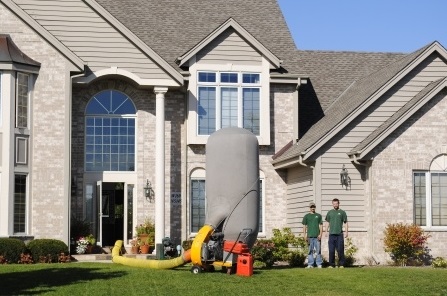
Air Quality Controllers’ experienced duct cleaning staff includes NADCA certified ventilation inspectors and air system cleaning specialists. Our extensive training and dedication help us provide you with the highest level of professional service. Our family-owned and operated business employs fully insured, neat and courteous technicians.
We’ve maintained a perfect rating with the Better Business Bureau and have won Angie’s List awards for our customer service 12 years in a row. All our services are offered with flat rate pricing, with no hidden charges or expensive “surprises.”
Reasons to Choose Air Quality Controllers
- NADCA certified
- Flat Rate Pricing
- Perfect Better Business Bureau Rating
- Family Owned and Operated
- Fully Insured Technicians
- Professional duct cleaning equipment including trucks, vacuums and inspection cameras
 Reduce Your Home Energy Bills with Furnace Blower and AC Coil Cleaning
AC condenser and evaporator coils are designed to provide efficient cooling. Airborne contaminants build up and clog the coil fins, decreasing airflow and energy efficiency by up to 35%. Dirty AC coils mean your system is working harder and longer than necessary.
On the heating end of the spectrum, furnace blowers with poor filtration accumulate dust and dirt. Buildup reduces efficiency by up to 50%. An overworked heat exchanger runs the risk of overheating and cracking, as well as complete motor failure. Air Quality Controllers’ HVAC cleaning technicians provide thorough furnace blower and AC coil cleaning services to maximize your system’s energy efficiency and longevity.
Air Quality Controllers offers year-round relief from overpriced energy bills. Call for a consultation on making your air ducts more efficient today.
Residential Air Duct Cleaners Serving Southern Wisconsin
Air Quality Controllers offers efficient air duct cleaning services in Wauwatosa, Brookfield, Racine, West Allis, New Berlin, Waukesha, Kenosha, Oak Creek, Milwaukee, and Oconomowoc. Our NADCA-certified technicians will enhance your indoor air quality.
Contact the Milwaukee residential duct cleaning specialists at Air Quality Controllers to improve your home’s air quality.
 Residential Duct Cleaning
Bay View- Residential Duct Cleaning
Brookfield - Residential Duct Cleaning
Cedarburg - Residential Duct Cleaning
Cudahy - Residential Duct Cleaning
Delafield - Residential Duct Cleaning
Elm Grove - Residential Duct Cleaning
Fox Point - Residential Duct Cleaning
Franklin - Residential Duct Cleaning
Hartland - Residential Duct Cleaning
Kenosha - Residential Duct Cleaning
Menomonee Falls - Residential Duct Cleaning
Mequon - Residential Duct Cleaning
Milwaukee - Residential Duct Cleaning
Mukwonago - Residential Duct Cleaning
Muskego - Residential Duct Cleaning
New Berlin - Residential Duct Cleaning
Oak Creek - Residential Duct Cleaning
Pewaukee - Residential Duct Cleaning
Racine - Residential Duct Cleaning
River Hills - Residential Duct Cleaning
Shorewood - Residential Duct Cleaning
South Milwaukee - Residential Duct Cleaning
Sussex - Residential Duct Cleaning
Waukesha - Residential Duct Cleaning
Wauwatosa - Residential Duct Cleaning
West Allis - Residential Duct Cleaning
West Bend - Residential Duct Cleaning
Whitefish Bay